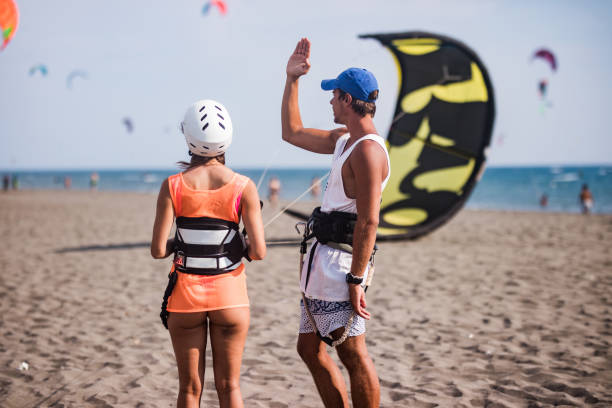
How to become a kitesurf instructor.
Kitesurfing is an exciting watersport that has continued to grow in popularity over the past decades. Alongside established disciplines, newer styles such as foil kiting, wing foiling, and progressive strapless riding have expanded the sport significantly. As a result, the global demand for qualified kitesurfing instructors has increased, particularly in popular training destinations and seasonal hotspots. If you are passionate about kitesurfing and enjoy teaching others, becoming a kitesurfing instructor can be a rewarding and flexible career path. Below are the key steps to becoming a certified kitesurfing instructor.
-
Become an experienced kitesurfer:
The first step to becoming a kitesurfing instructor is developing a strong and reliable riding level. You should be fully confident with launching and landing, kite control, self-rescue, and riding safely in a variety of wind and water conditions. While you do not need to perform high-level freestyle tricks, you must be able to ride upwind consistently, demonstrate core skills clearly, and maintain excellent safety awareness. A solid understanding of equipment setup and risk management is essential for any professional kitesurf instructor. -
Get kitesurfing instructor certification:
To work professionally, you must obtain certification from a recognised kitesurfing instructor training organisation. The most widely accepted certifications today include the International Kiteboarding Organization (IKO), Verband Deutscher Wassersport Schulen (VDWS), and the Royal Yachting Association (RYA) in certain regions. These instructor courses cover teaching methodology, safety systems, weather theory, equipment knowledge, and rescue techniques. Before choosing a certification, research where you want to work and which qualifications are required by local schools, employers, and insurance providers. -
Gain teaching experience:
After certification, practical teaching experience is crucial. Many new instructors begin by assisting experienced teachers or running beginner lessons under supervision. This phase helps develop communication skills, lesson structure, and the ability to adapt teaching styles to different students. Over time, this experience builds confidence and improves employability when applying for kitesurfing instructor jobs. -
Stay insured and keep qualifications current:
Professional liability insurance is essential for all kitesurfing instructors. Insurance is often available through certification bodies or specialist sports insurers. In addition, instructors are increasingly expected to keep certifications current through refresher courses, first aid training, and ongoing education. Staying up to date with new equipment, teaching techniques, and safety standards is an important part of a long-term kitesurf teaching career. -
Network and market yourself as a kitesurf instructor:
Once you are ready to work independently or apply to schools, visibility is key. Create a professional online presence through social media or a simple website that highlights your certifications, experience, and availability. Listing your instructor profile and CV on platforms such as Chickenloop.com helps watersports centres find you more easily. Attending industry events, demo days, or local kitesurfing gatherings can also help you build connections and establish a strong professional reputation.
Frequently Asked Questions About Becoming a Kitesurfing Instructor
How good do I need to be to become a kitesurfing instructor?
You do not need to be a professional rider, but you must be a confident and safe kitesurfer. Most certification bodies require strong upwind riding, controlled transitions, reliable kite handling, and a solid understanding of safety and self-rescue techniques.
Which kitesurfing instructor certification is best?
The best certification depends on where you plan to work. IKO and VDWS are widely recognised internationally, while RYA qualifications are common in certain regions. Always check what local schools and insurance providers require before choosing a course.
Can I make a living as a kitesurfing instructor?
Many instructors work seasonally, moving between destinations throughout the year. While income can vary, experienced instructors with strong teaching skills and multiple disciplines (such as foil or wing instruction) often have better job opportunities and earning potential.
Do I need my own equipment to teach?
Most kitesurf schools provide equipment for lessons, but instructors are usually expected to have their own personal gear. Having experience with multiple brands and setups is an advantage.
Is kitesurfing instructor work physically demanding?
Yes. Teaching kitesurfing can be physically and mentally demanding, especially in challenging conditions. Good fitness, awareness, and the ability to manage fatigue are important for long-term success and safety.
Becoming a kitesurfing instructor requires dedication, passion, and continuous learning. By developing strong riding skills, gaining recognised certification, and actively building experience and industry connections, you can turn your love for kitesurfing into a sustainable and rewarding career within the global watersports industry.